Heavy jet charter options
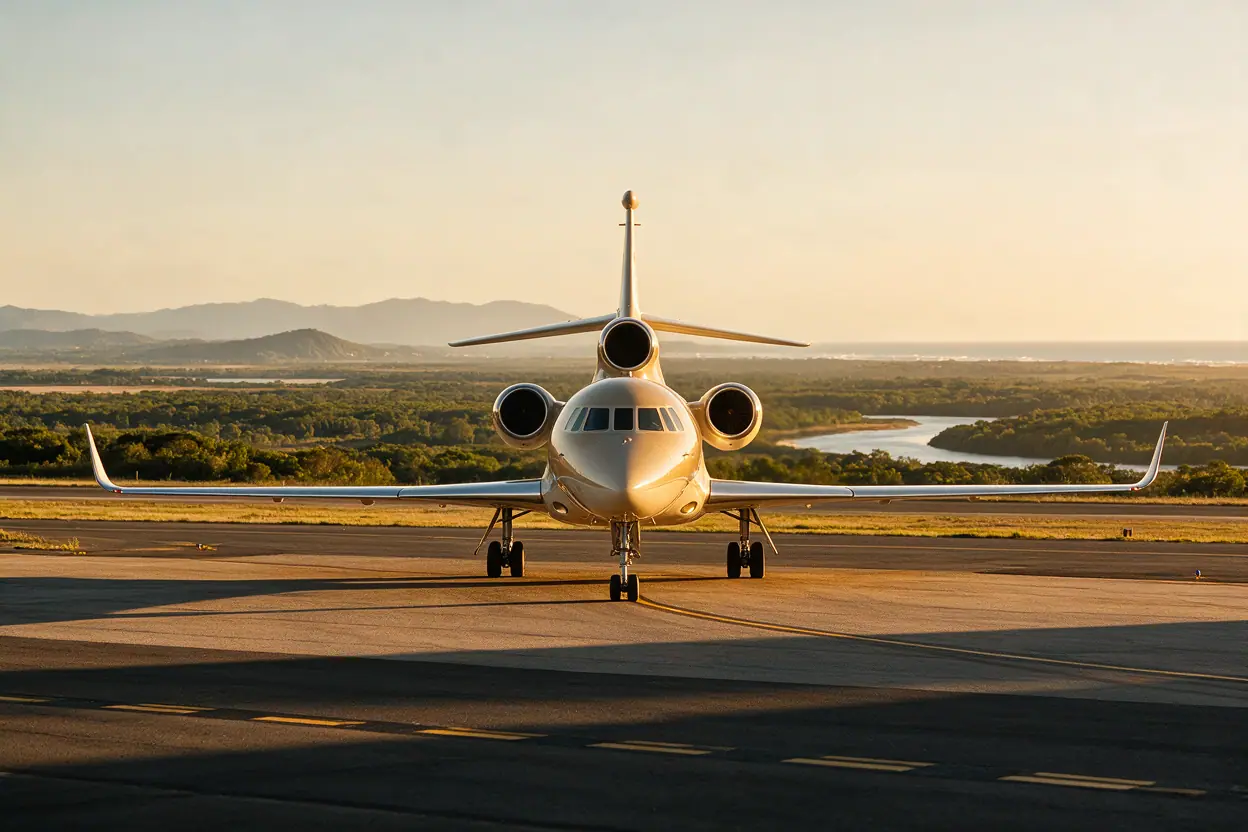
Heavy jet charter options fill the gap between super-midsize and long-range aircraft. Expect $9,500 to $14,500 per hour and a cabin for 10 to 14. Range is about 4,000 nautical miles at roughly 470 knots.
- $9,500–$14,500per flight hour
- 10-14seats filled
- 4,000 nmrange, typical
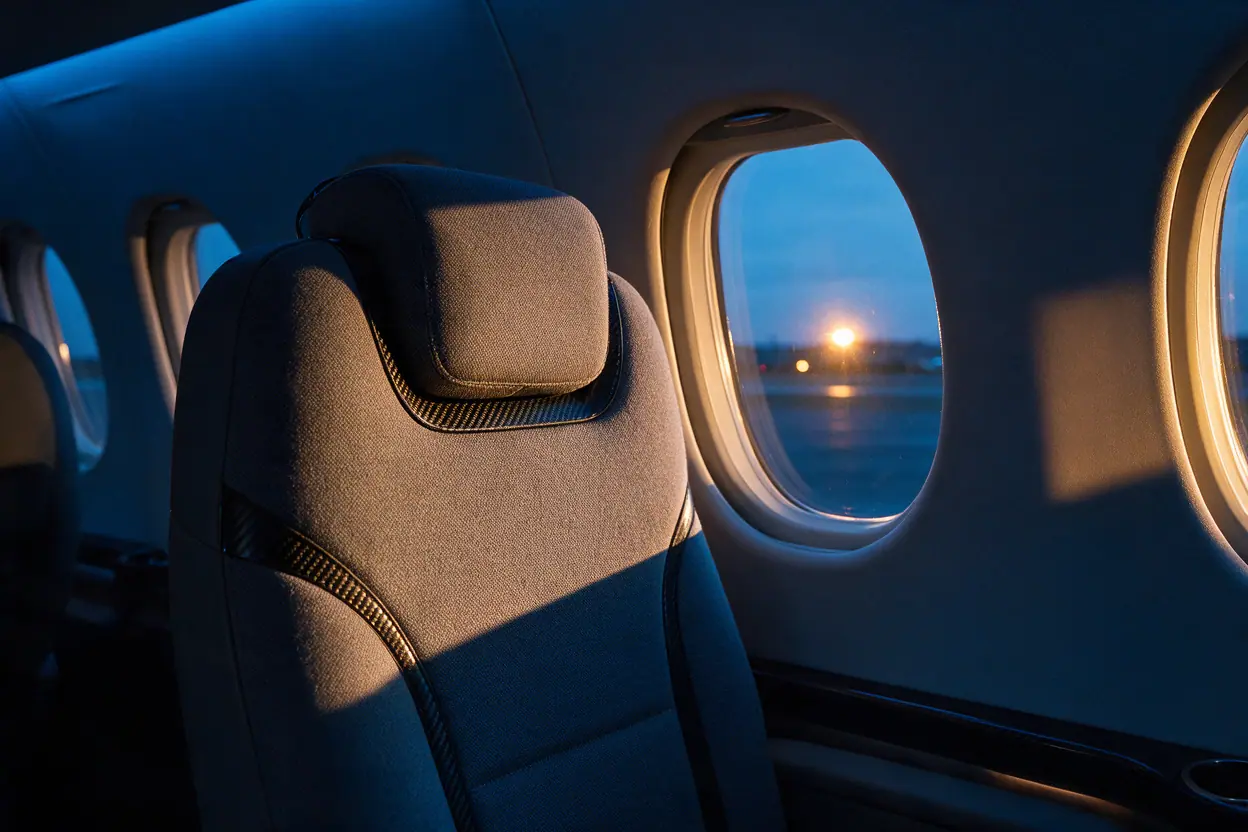
A heavy jet is the cabin class where transcontinental flying stops requiring a fuel stop. Typical range is about 4,000 nautical miles at roughly 470 knots, with cabins that seat 10 to 14 passengers. On a quote, that translates to a large cabin with a stand-up aisle, a galley that supports real catering, and baggage space that a midsize cannot match. Heavy jet charter options quote by the hour at $9,500 to $14,500, and the class holds 10 to 14 passengers.
The class fits a specific job. Groups of eight to twelve travelers, coast-to-coast legs, and itineraries where the aircraft is also the meeting room are the usual reasons people price it. Short hops do not reward the extra spend; heavy jets cost the same hourly band on a 45-minute flight as on a five-hour one. For flights of 900 nautical miles or more, heavy jet charter options beat two midsize legs on both time and cabin comfort.
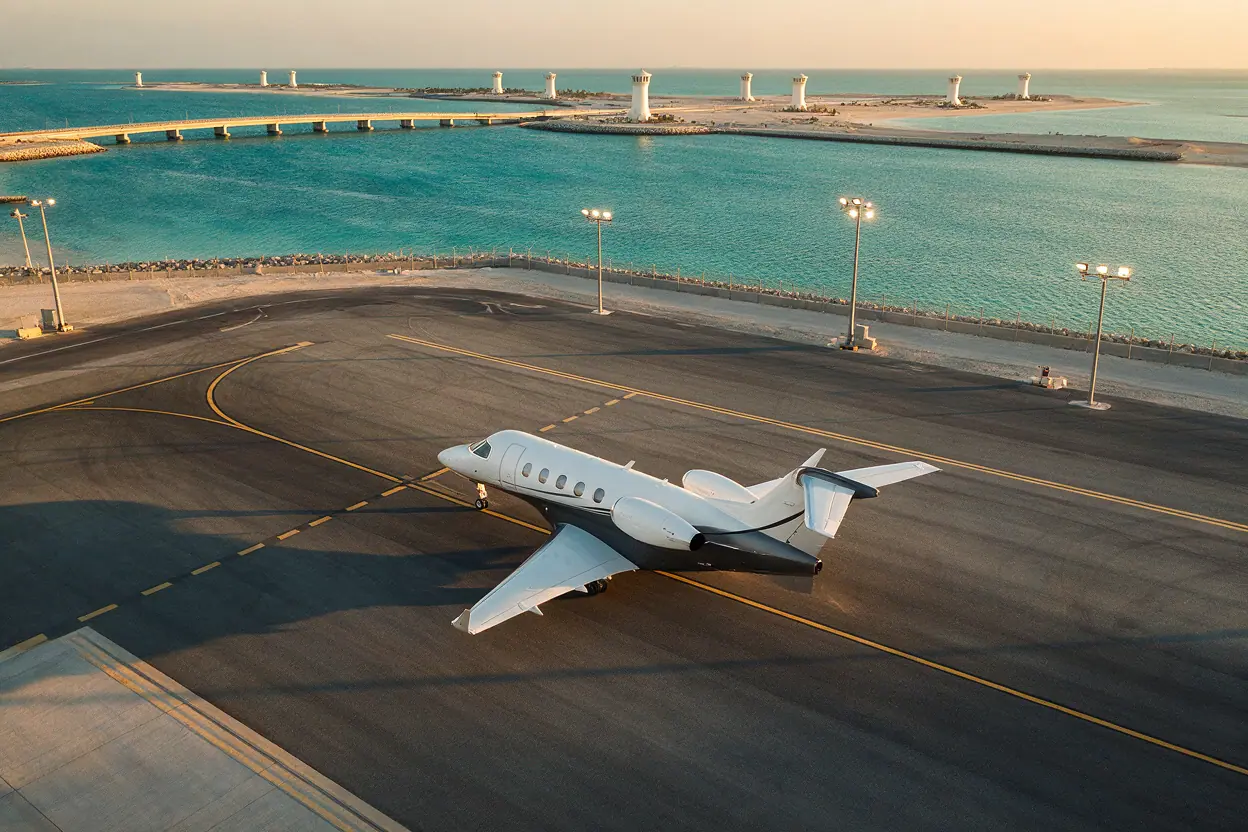
Two aircraft carry most of the class. The Dassault Falcon 900LX seats 12 with a cabin 6 ft 2 in tall and 33 ft 2 in long, and the Gulfstream G450 seats 14 in a cabin 45 ft 1 in long with 169 cu ft of baggage. Both do the routes below nonstop. The Gulfstream G450 adds two seats and 42 cu ft more baggage than the Falcon 900LX.
Range is where buyers should look hardest. A 4,000 nautical mile class figure covers most domestic transcons with margin, but headwinds and payloads eat into it. If your trip runs past 4,300 nautical miles, then a long-range type is the safer comparison rather than stretching a heavy jet. A 4,750 nautical mile Falcon 900LX handles longer legs than the class average, though payload still affects the figure.
Dassault Falcon 900LX
- 12 seats
- 459 kt cruise
- 4,750 nm range
- 127 cu ft luggage
- 403 US registration
The Falcon 900LX seats 12 and flies up to 4,750 nautical miles at 459 knots, a range that covers every route on this page with margin. Cabin height is 6 ft 2 in and length 33 ft 2 in, with 127 cu ft of baggage. The three-engine layout is a talking point for overwater legs, and the shorter cabin suits groups that prioritize range over seat count.
Gulfstream G450
- 14 seats
- 476 kt cruise
- 4,350 nm range
- 169 cu ft luggage
- 610 US registration
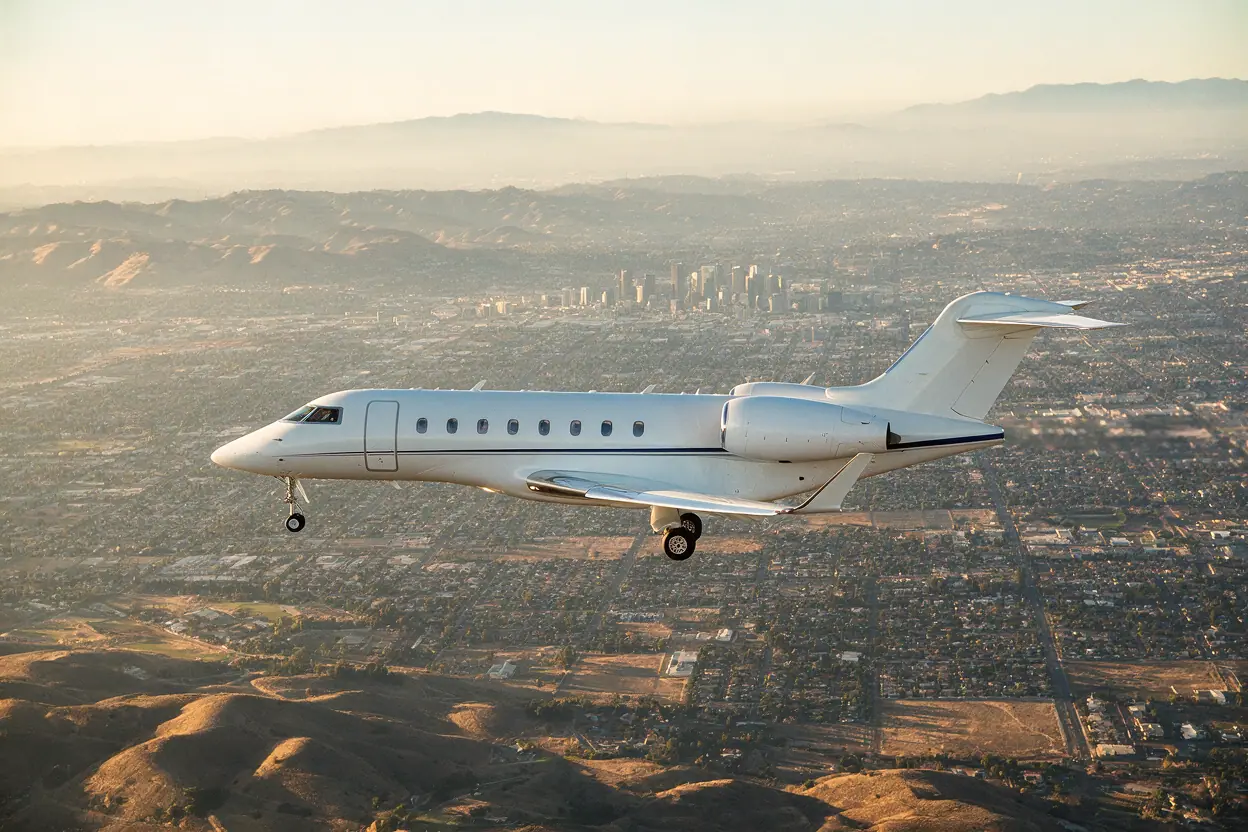
The G450 seats 14, the most in this class, and covers 4,350 nautical miles at 476 knots, the faster cruise of the two aircraft here. Cabin length is 45 ft 1 in and baggage volume 169 cu ft, so a full party of 14 can travel with ski or golf bags. Groups that pick it usually value the seat count and the longer cabin over the Falcon's range edge. On a New York to Los Angeles run, both aircraft complete the trip nonstop.
Heavy jet rates across popular routes
The routes below show what the class costs when you fly it, priced as estimates for the whole aircraft rather than per seat. Distance drives the figure more than anything else. Short legs show the floor of the hourly band, while coast-to-coast flights show the ceiling.
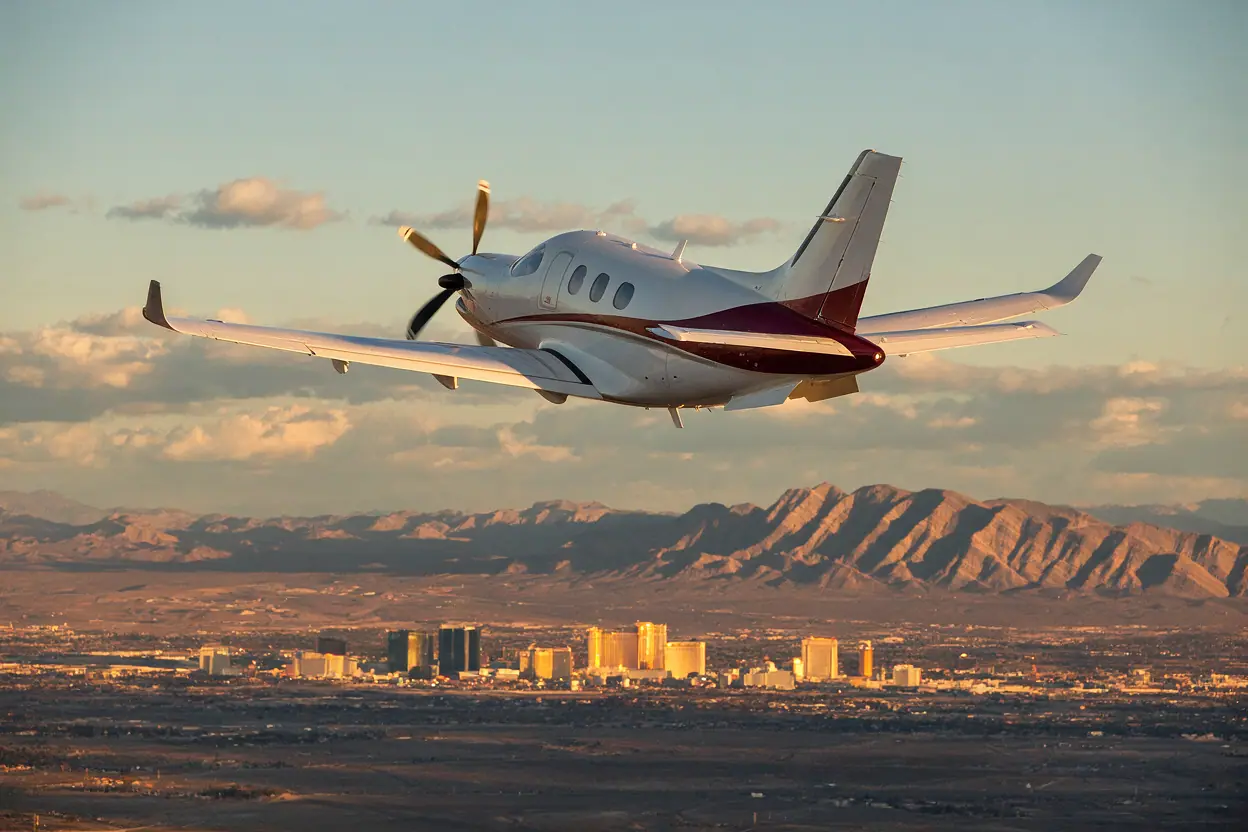
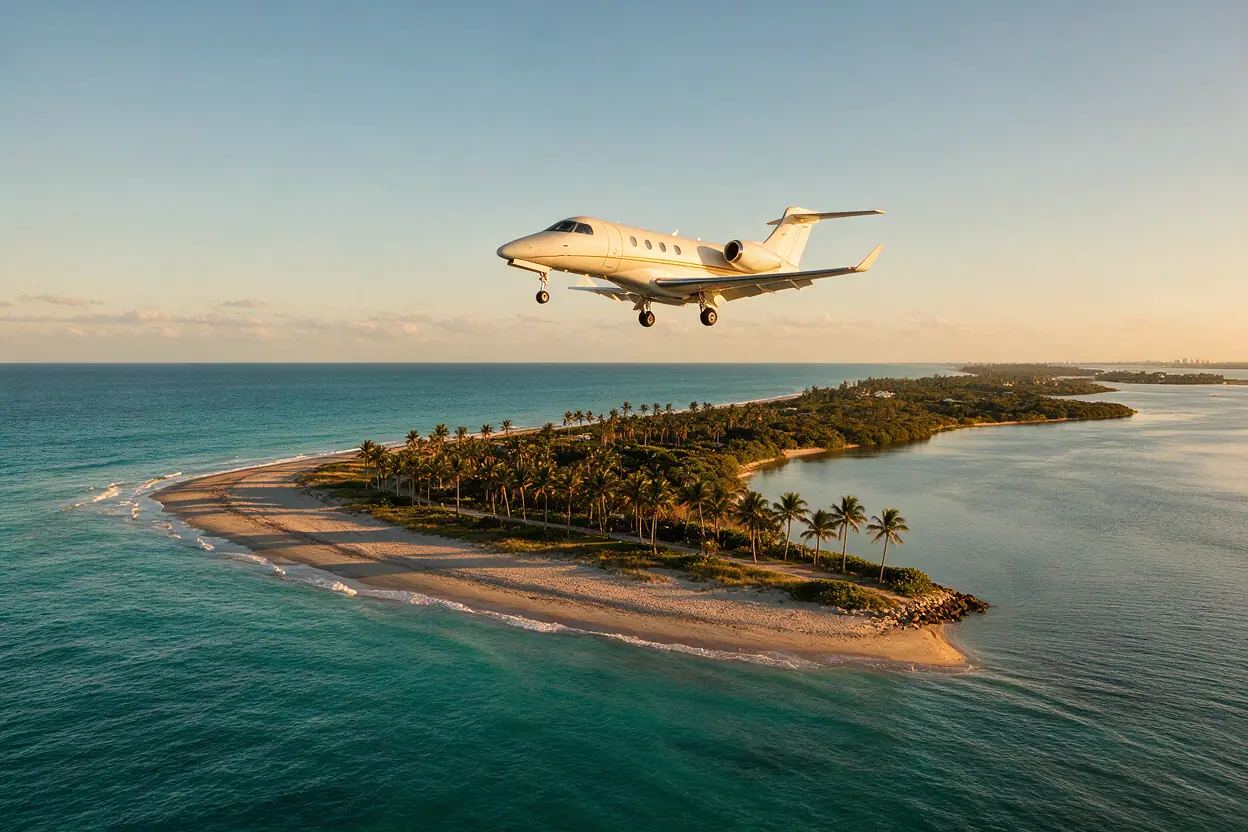
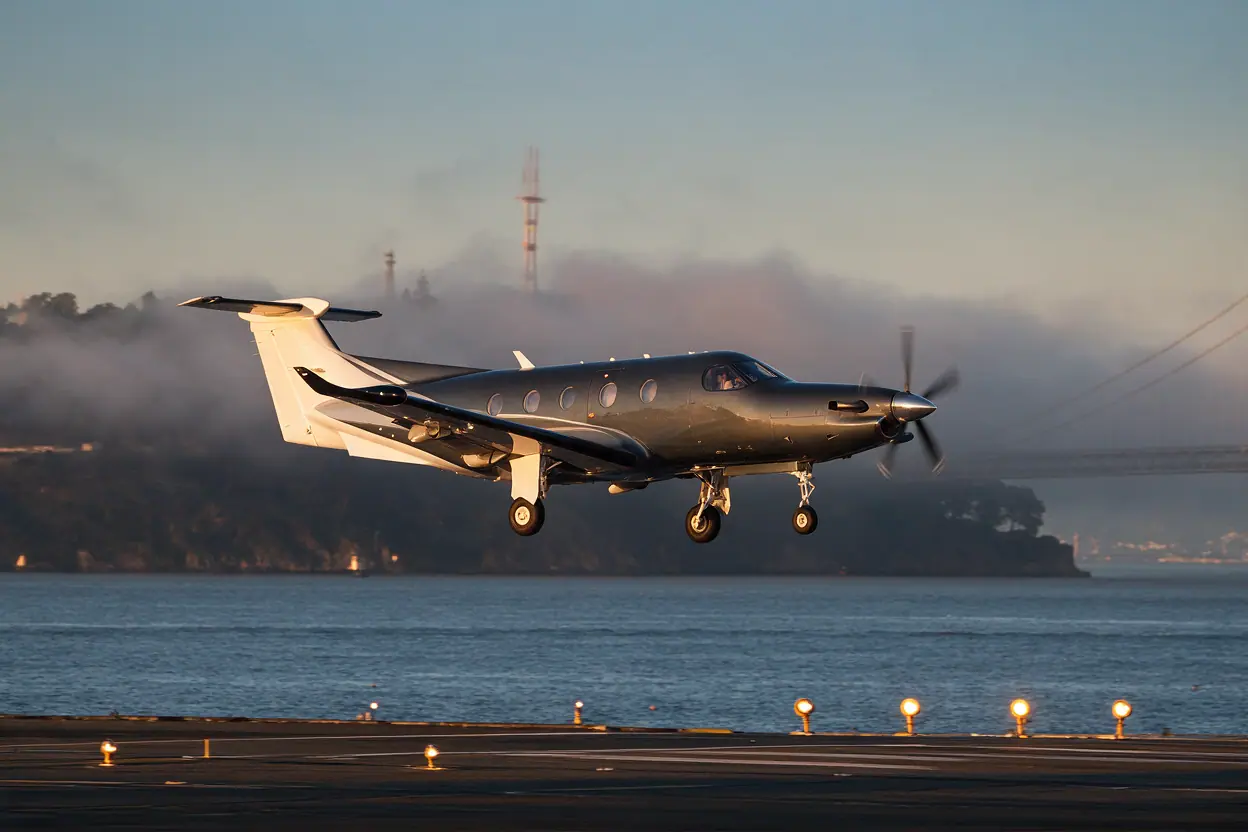
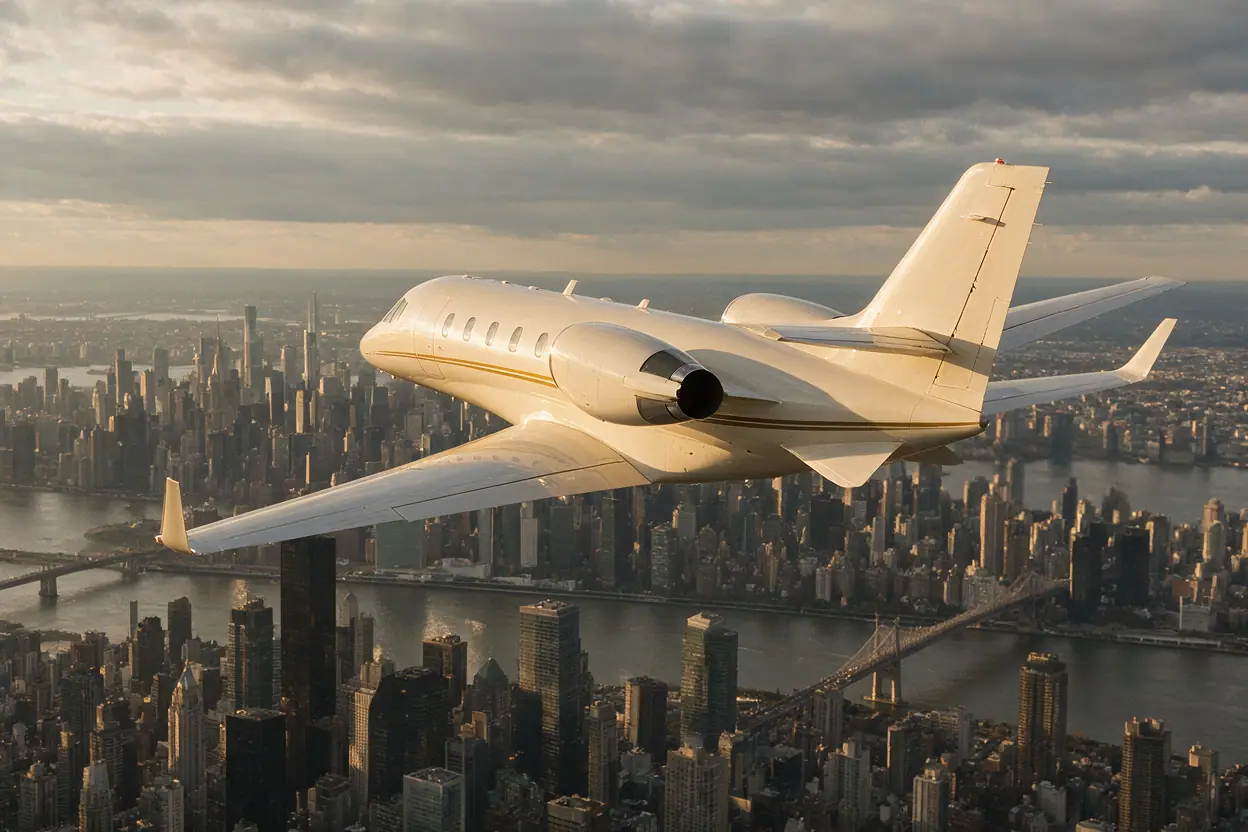
Heavy jet charter times and rates by route
A heavy jet covers these 6 routes in 0h 45m to 5h 03m, with single-way quotes from $9,500 to $73,500.
| Trip | Duration | One-way est. |
|---|---|---|
| New York → Miami | 2h 25m | $23,000–$35,000 |
| New York → Los Angeles | 5h 03m | $48,000–$73,500 |
| Los Angeles → Las Vegas | 0h 45m | $9,500–$14,500 |
| New York → Palm Beach | 2h 19m | $22,000–$33,500 |
| Los Angeles → San Francisco | 0h 55m | $9,500–$14,500 |
| Houston → New York | 3h 03m | $29,000–$44,500 |
When heavy jets are the right call
- Groups of 10 or more, where a heavy jet charter option beats two smaller aircraft. If your party fills more than eight seats with luggage, then a super-midsize will force a second aircraft or leave bags behind, and the heavy jet becomes the cheaper answer per passenger.
- Transcontinental nonstops on a heavy jet, like New York to Los Angeles. That route is 2,129 nautical miles in 5h 03m; that distance is heavy-jet work if you want a single leg and a cabin you can stand up in.
- Scheduled time that cannot slip when you compare heavy jet charter options. When a meeting in Miami follows a morning departure from New York, then the 2h 25m nonstop on a 949 nautical mile route protects the schedule better than a connecting itinerary.
- Overnight and multi-stop trips on a heavy jet, where bags accumulate. The 127 cu ft to 169 cu ft baggage volumes cover ski gear, golf bags and road-show materials, which matters on multi-city itineraries.
What heavy jet charter options cannot do
Runway length sets a real floor on where the class can operate. Heavy jets need longer fields than turboprops or light jets, so small community airports that work for a Pilatus or a Citation will not take a G450. If your destination is a short strip, then the last leg usually belongs to a smaller aircraft.
Shorthops waste money. Los Angeles to Las Vegas is 199 nautical miles and prices in the same $9,500 to $14,500 band as a much longer flight hour count would suggest, so compare a super-midsize before committing. On international legs, CBP clearance at your arrival airport adds planning regardless of aircraft.
Questions
What do heavy jet charter options cost per hour?
Expect $9,500 to $14,500 per hour for the aircraft, and treat any quote as an estimate until the operator confirms it. On a 2,129 nautical mile New York to Los Angeles leg, that lands near $48,000 to $73,500 for the whole aircraft. The hourly band holds whether the flight is short or long, which is why distance per dollar matters more than the hourly figure alone.
How many passengers does a heavy jet hold?
The class seats 10 to 14 passengers, depending on the airframe. The Gulfstream G450 takes 14, the Dassault Falcon 900LX takes 12, and baggage runs from 127 cu ft to 169 cu ft. With a full party, plan bags against that volume rather than cabin seats; both fill up at the same time on ski and golf trips.
How fast and how far do heavy jets fly?
Cruise speed is about 470 knots for the class, with the G450 at 476 knots and the Falcon 900LX at 459. Range is roughly 4,000 nautical miles typical, 4,350 for the G450 and 4,750 for the Falcon. Those figures cover every route on this page nonstop, including the 2,129 nautical mile New York to Los Angeles run.
How long is a heavy jet flight from New York to Miami?
The 949 nautical mile route takes about 2h 25m nonstop, and estimates run $23,000 to $35,000 for the aircraft. Compare that with the 2h 19m time on the 902 nautical mile New York to Palm Beach leg, which prices at $22,000 to $33,500. South Florida traffic on the ground often costs more time than the difference between those two flights.
Are heavy jet charter options worth it for short flights?
Usually not. Los Angeles to Las Vegas is 199 nautical miles in 0h 45m, and Los Angeles to San Francisco is 279 nautical miles in 0h 55m; both sit in the same $9,500 to $14,500 estimate range as a longer hour. If the trip is under roughly an hour, then a super-midsize or a turboprop does the same job for less.
What should I check on a heavy jet quote?
Ask what the hourly figure includes: crew, fuel surcharges, landing and overnight fees change the total. If you are comparing brokers rather than operators, then DOT Part 295 registration tells you the seller is a broker and not the carrier. Confirm aircraft type and tail number before you sign, since the quote should name the specific airframe.